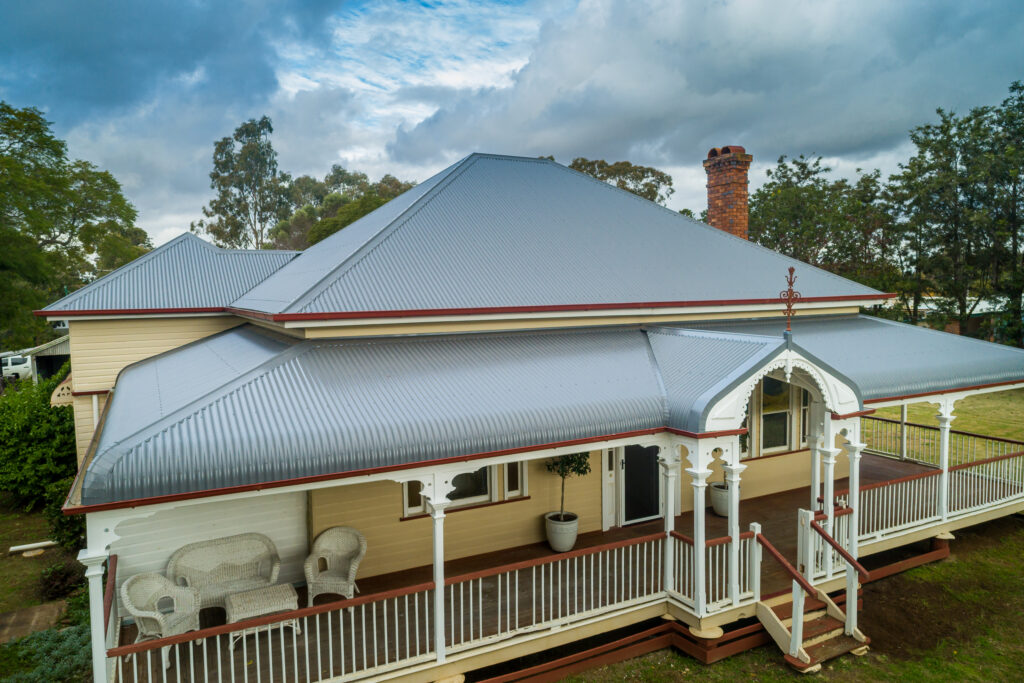
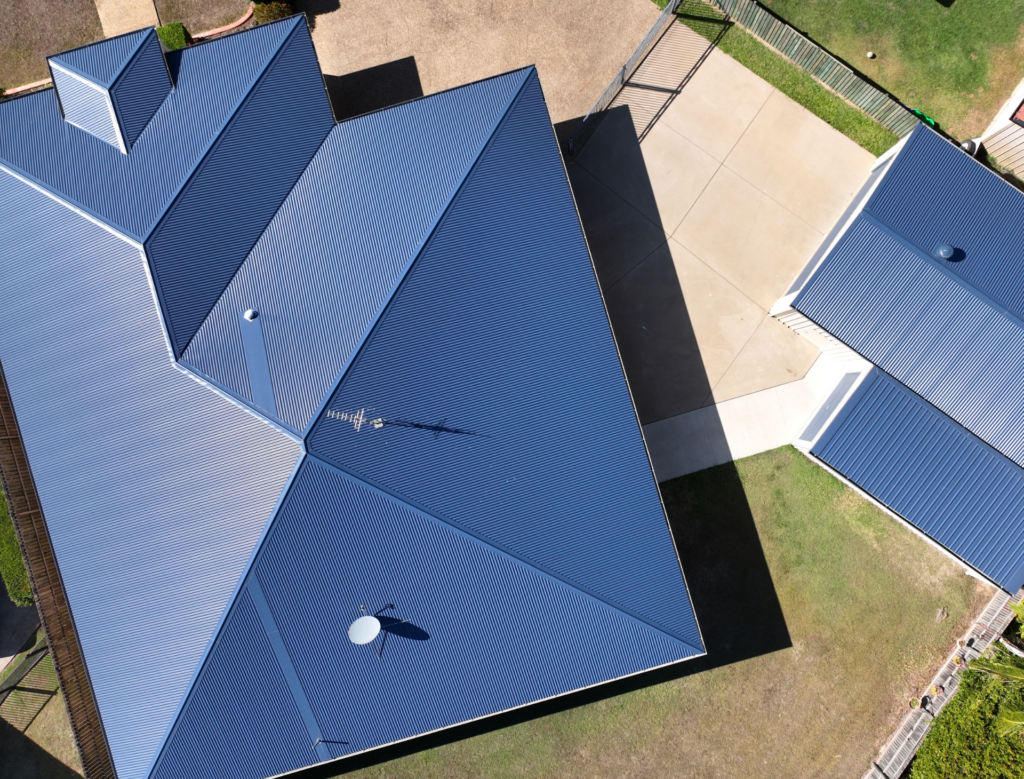
When you’re planning a new metal roof with us at Rubiks Roofing, the colour choice isn’t just about style. It also has practical implications. Every colour of roof cladding has a different solar absorptance (how much heat it retains) and solar reflectance (how much sunlight it reflects). These factors influence comfort, energy use, and how your home performs in your climate.
Here’s a neutral rundown of what to consider so you can make the right decision for your home:
1. Heat Retention & Energy Efficiency
Each colour of, say, COLORBOND® steel has a solar-absorptance rating (SA) between 0 and 1. 0 means no solar heat absorbed, and 1 means 100% of the incident solar radiation absorbed.
-
Lighter colours tend to have lower SA values, so they absorb less heat, helping keep roof spaces and buildings cooler. For example, “Dover White” has an SA of ~0.28.
-
Darker colours generally have higher SA values, so they absorb more heat, which can result in a warmer roof surface and possibly warmer interior spaces.
In hot regions like many parts of regional Queensland, a lighter-coloured roof can help reduce cooling loads. Conversely, in cooler climates, a darker roof may contribute a little more warmth. However, it’s not that simple – many other factors come into play, such as insulation, orientation, roof pitch, and ventilation.
2. Solar Reflectance (Glare & Light Reflection)
Another factor is how much sunlight the roof reflects, known as the “solar reflectance” or “Solar Reflectance Index (SRI)”. A roof can reflect a lot of light, which may minimise heat, but in some settings, reflection can cause glare for neighbouring properties or create unwanted brightness.
A lighter roof may reflect more light, which can minimise heat retention and is beneficial for thermal comfort. However, you might want to check for glare issues, especially if nearby homes may be impacted. A darker roof may absorb more light and reflect less, which may reduce glare but will likely retain more heat.
3. Appearance & Streetscape
Performance aside, the colour you choose should also fit your home’s design and surroundings. A lighter roof colour can create a brighter, more open appearance, often well suited to coastal, tropical, or bright settings. A darker roof colour may offer contrast, depth, and a more “architectural” look, working well in bushland, rural, or modern settings. Consider your home’s orientation, landscaping, neighbouring properties, and even local council design guidelines (some councils have rules about reflectivity or glare).
4. Regulation & Compliance
Australia’s building codes and energy-efficiency frameworks acknowledge the performance difference between roof colours. For instance, under the National Construction Code (NCC), roof solar absorptance (SA) is used as a parameter in energy efficiency requirements. Roof colours are typically classified as Light (SA ≤0.40), Medium (SA between ~0.40 and ~0.60), and Dark (SA >0.60). Similarly, under the BASIX scheme (NSW), roof colour categories are Light (SA <0.475), Medium (SA 0.475-0.7), and Dark (SA >0.7).
So, when choosing a roof colour, you’re not just selecting a visual appeal; you’re also potentially influencing your home’s energy-performance pathway and the amount of insulation or cooling required.
5. How to Decide Which Colour is Best for Your Home
Here’s a helpful checklist to guide your decision:
-
Climate & exposure: Consider your location, whether it’s a hot region with cooling demands or a cooler region. Also, take into account the orientation and pitch of your roof.
-
Roof performance needs: Determine your specific requirements, such as reducing cooling costs, managing glare to neighbours, or potentially harnessing passive heating.
-
Colour classification & data: Research the SA (and ideally SRI) of the colours you’re considering. Some manufacturers provide these values online (see the two links below for examples).
-
Site surroundings: Think about your facade, landscaping, neighbourhood character, and any design guidelines from your council.
-
Swatch and view in-situ: Always look at a physical sample of the roof colour in the actual light on your roof. Screen colour samples can mislead.
-
Talk it over with us: At Rubiks Roofing, we’ll walk through your roof design, site conditions (including your regional Queensland climate), and guide you on performance and aesthetics.
Useful Links for More Information:
-
Solar Absorptance of COLORBOND® steel colours for NCC and BASIX – Steel Select article – provides classification tables and explains what SA values mean.
-
Colour Selection – Fielders (Roofing & Walling) – Solar Absorptance tables for colours – shows specific SA values for many roof colours, allowing you to compare light vs dark directly.
Final Thoughts:
There’s no “one-size-fits-all” solution when it comes to roof colour. A lighter colour isn’t automatically the best, and a darker colour isn’t automatically worse. What matters is how the colour works with your home, your climate, and your performance goals. At Rubiks Roofing, we’re committed to helping you choose the colour that makes sense for your site, your budget, and your comfort.
Whenever you’re ready, we can review colour swatches together, check performance data, and help you lock in the best option for your next roof.